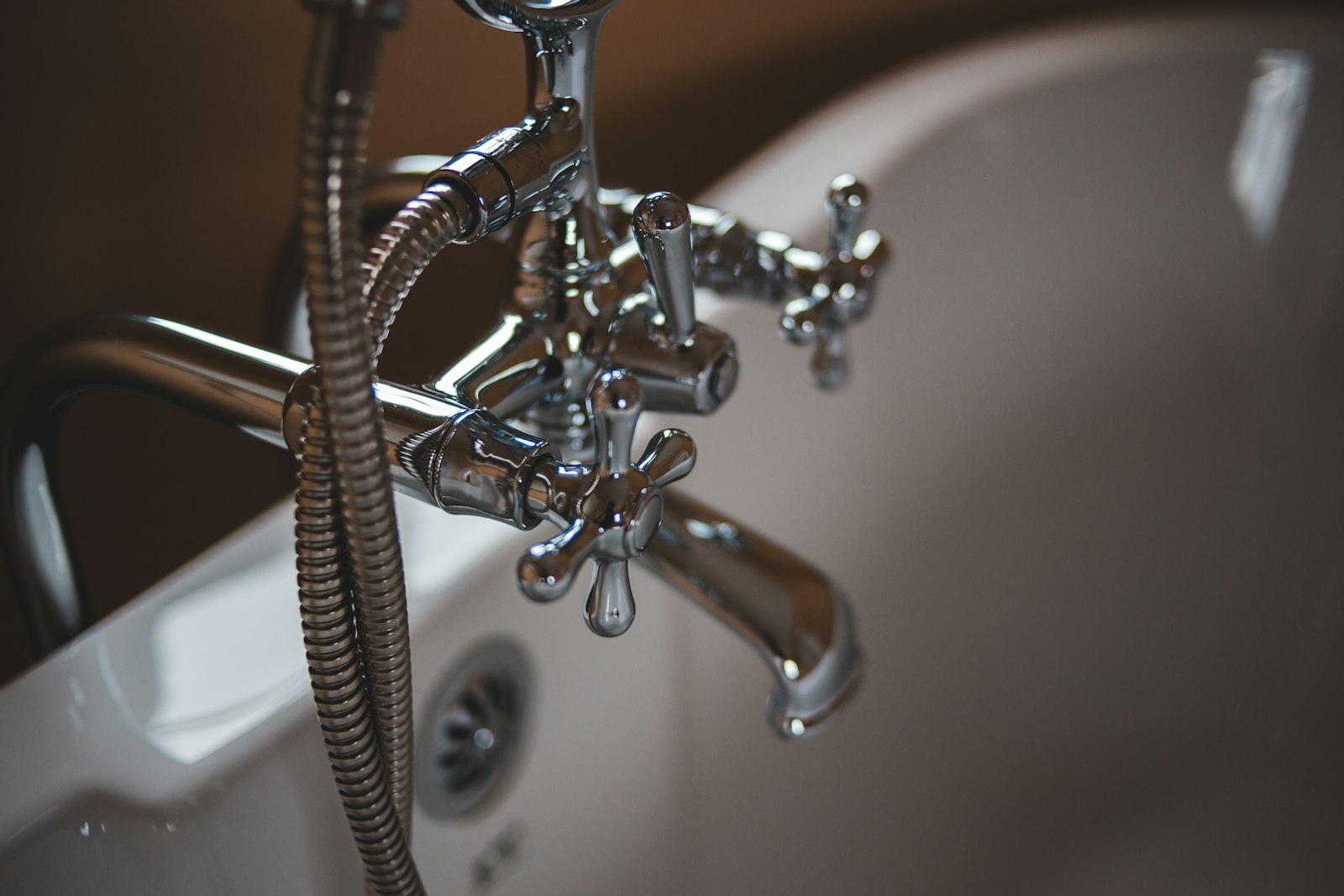
Plumbing coverage on a home warranty pays for the failed line or component, up to the per-item cap, minus the service fee. It does not pay for the wall, the slab, the flooring, or any other access or restoration cost, and that boundary is where most homeowner disputes happen. A pinhole leak in a copper supply line behind drywall is a covered claim with an uncovered tail: the contract fixes the pipe and the homeowner pays to open and close the wall. Slab leaks are the more expensive version of the same problem, and fixtures live on a different cap from in-wall lines.
The short answer
Plumbing coverage is most useful in homes with older copper or galvanized supply lines whose pinhole and corrosion failures follow a predictable curve. It is least useful in homes with newer PEX systems where component failure is rare and the value band is narrow. The cap on supply-line repair is usually adequate for a small repair; the access and restoration are the costs that surprise new buyers, and they are not part of the warranty product no matter which plan is in front of them.
Lines, fixtures, and the access-cost trap
The base plumbing coverage on a standard plan includes water, drain, gas, and vent lines inside the home's perimeter, the toilet tank and bowl mechanisms, valves on covered lines, and clogged or stopped drains accessible through a normal cleanout §. Three covered failures dominate the claim volume. The first is a pinhole leak in a copper supply line, common in homes built between the 1960s and 1990s on city water with mildly acidic chemistry. The second is a stopped drain cleared through a visible cleanout. The third is a failed shower or tub diverter valve on a covered line.
Fixtures sit on a separate line in the cap schedule. Faucets, sinks, garbage disposals, and bathtub fixtures are sometimes included in the base plan and sometimes carved out as an upgrade tier or an add-on. The contract names this explicitly: a homeowner who reads only the marketing page assumes fixture coverage is included; a homeowner who reads the contract often finds it is a paid upgrade or a higher tier. The cap on fixture replacement is typically smaller than the line cap, often $300 to $500, which is adequate for most replacements and inadequate for the more expensive ones.
The access-cost trap is the most consequential plumbing detail. The contract pays to fix the failed component; it does not pay to get to it. A leak behind tiled drywall in a bathroom requires opening the wall, fixing the line, and closing the wall back up to a reasonable finish. The warranty pays for the line work and sometimes for the rough drywall patch on the same visit. It does not pay for the tile reset, the paint, the trim, or the labor to match the finish. That cost runs from a few hundred dollars on a straightforward kitchen-wall opening to several thousand on a tiled shower wall, and the warranty contributes nothing to it §.
Three exclusions recur often enough to name. The first is stoppages caused by roots, collapsed lines, or foreign objects. A drain stopped by tree roots in the main sewer line is not a normal wear claim; it is a tree event, and the contract usually calls it out specifically. The second is damage from pre-existing poor installation, which puts the failure in the pre-existing bucket and turns it into a denial. The third is drains not accessible through an existing cleanout, which means a stoppage that requires opening a wall to reach is on the homeowner unless the plan tier specifies broader access coverage.
Slab leaks and what the contract really pays
A slab leak is the failure of a supply line embedded in the concrete foundation, and it is the highest-cost residential plumbing event the warranty product touches. The leak itself can be a pinhole in a copper line corroded by acidic soil or by prolonged contact with the concrete; it can also be a connection failure at a sub-slab joint. Detection requires acoustic listening or thermal imaging, repair requires either tunneling under the slab or breaking up a section of concrete from above, and restoration involves resetting the concrete, re-grading the finish, and replacing any flooring damaged in the process.
What the contract pays varies more on slab leaks than on any other plumbing claim, and the homeowner who skims the sample agreement is the one most surprised. Three patterns recur:
The first is slab-leak coverage excluded entirely from the base plan and offered only as a high-tier or add-on benefit. This is the most common pattern, and it makes a slab-leak claim a denial on the base plan no matter how the failure happened.
The second is slab-leak detection covered but not access. The contract pays for the diagnostic, the homeowner pays for any concrete cutting or tunneling required to reach the line. On a typical slab-leak repair, access can be $1,500 to $4,000, and the warranty's contribution is the diagnostic visit and a portion of the line repair, with the access cost on the homeowner §.
The third is slab-leak coverage with a low dedicated cap. The contract pays slab-leak claims up to a sub-cap, often $500 to $1,000, regardless of the broader plumbing cap. The full repair plus access plus restoration on a slab leak commonly runs $4,000 to $8,000, and a $1,000 sub-cap pays a fraction of that. The warranty is not the right product for a known-vulnerable slab, and the homeowner with a documented prior slab leak on the property is the homeowner most likely to be denied as pre-existing on the next one.
Restoration after the slab work, regardless of the plan, is universally excluded. The flooring above the slab, the cabinets moved to access the work, the paint and trim affected by the opening, all of it is on the homeowner. This is the same secondary-damage exclusion that appears across every plumbing claim, magnified by the cost of restoring a slab floor versus a drywall wall §.
The honest summary on plumbing: the warranty is a real product for line-level failures on supply and drain piping, with a service-fee discipline that beats the same plumber's diagnostic visit out of pocket. It is the wrong product for restoration, for fixtures the cap underprices, and for slab-leak exposure unless the plan explicitly names the coverage tier. Reading the cap schedule and the exclusion section before signing is the entire defense.
For the cap math across categories, see claim caps and aggregate limits. For the six recurring exclusions that apply to plumbing as much as to any other system, see exclusions typical.
Warranta earns a commission when you buy a plan through links on this page. This does not affect our editorial analysis or the price you pay.
Commissions are paid by the provider. Affiliate program applications are pending, so outbound links are currently placeholders.
We review monetized pages quarterly for FTC-compliant disclosure placement.
How we get paid →